For women 40+
Can't sleep? There's a reason.
Seven short, free videos from a board-certified sleep doctor on why sleep changes in perimenopause, and how to find what's behind yours.
Start with Video 1If someone handed you a card and sent you here, welcome. You're in the right place.
I'm Dr. Val Cacho, a sleep medicine physician, double board-certified in Sleep Medicine and Integrative Medicine. For years, women have sat across from me describing the same nights: wide awake at 3am, soaked sheets, a mind that won't switch off. Most had already tried everything on the sleep-tips list.
Here's what I want you to know first: your body is not failing you. Poor sleep in midlife usually has real, findable causes. Sometimes it's hormones. Sometimes it's a sleep disorder no one has checked for. Often it's more than one thing at once.
These videos will help you understand which might be yours. Together they take about 30 minutes, and you can watch them in any order. I'd start at the top.
— Dr. Val
Part 1
Why this is happening

Why sleep changes in midlife
A quick overview of the real reasons sleep gets harder after 40, so you can stop blaming yourself and start narrowing it down.

How estrogen and progesterone affect your sleep
What happens to your sleep when these two hormones start to shift, explained in plain language.
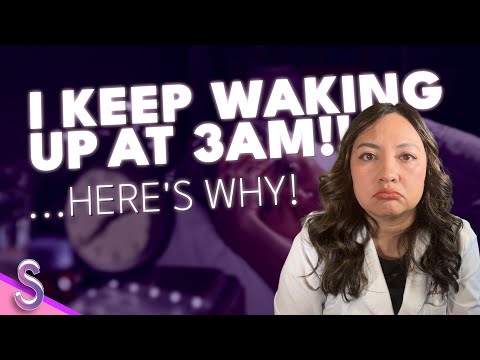
Why you wake up at 3am in perimenopause
The most common question I hear, and what you can actually do about it.
Part 2
Causes worth ruling out

The sleep disorders women don't get checked for
Sleep disorders often look different in women than in men. Here are the signs worth asking about.

Why snoring isn't normal for women over 35
Sleep apnea in women is often missed because it doesn't match the textbook picture. Here's what to watch for.

Sleep anxiety in perimenopause
How shifting hormones and everyday stress feed each other at night, and why that racing mind isn't a personal failing.
Part 3
For tonight

Awake at 3am? How to calm your mind and fall back asleep
Something you can try the next time you wake in the middle of the night.
Common questions
Perimenopause and sleep: quick answers
Why do I wake up at 3am in perimenopause?
Shifting estrogen and progesterone affect body temperature, stress hormones and how deeply you sleep. That can bring night sweats, a racing mind or lighter sleep in the early morning hours. Other causes, like needing to urinate at night or sleep apnea, can also wake you. Video 3 explains this in detail.
Can perimenopause cause insomnia?
Yes. Trouble falling or staying asleep is one of the most common symptoms of the menopause transition. It's often more than one thing at once: hormones, stress, and sometimes a sleep disorder that hasn't been checked.
Is snoring a concern for women over 40?
It can be. The risk of obstructive sleep apnea rises for women around and after menopause, and in women it often shows up as fatigue, insomnia, morning headaches or mood changes rather than loud snoring alone. If you snore or wake up gasping, talk with your doctor about a sleep evaluation.
When should I see a sleep specialist?
If your sleep problems have lasted three months or more, if you feel drowsy while driving, or if someone has noticed you stop breathing in your sleep, ask your doctor about a referral.
Written and reviewed by Valerie Cacho, MD, board-certified in Sleep Medicine and Integrative Medicine. Last reviewed October 2026.
When to talk to your doctor
These videos are a starting point, not a diagnosis. Please talk with your doctor if:
- Someone has noticed you snoring loudly, gasping, or pausing your breathing in sleep
- You feel drowsy while driving or doze off during the day without meaning to
- Your sleep problems have lasted three months or longer
- Poor sleep is affecting your mood, memory, or ability to get through the day
You deserve answers, and many of these causes are very treatable.
Your next step
You are not alone in this.
Join the Sleephoria Sisterhood, a free community of women 40+ working out what's behind their sleep, with education from me along the way.
A note for clinicians: Sleephoria offers free, doctor-led education you can share with patients while they wait for a specialist or begin treatment. If you'd like cards for your office, email hello@sleephoria.com.
This content is for educational purposes only and is not medical advice. It does not replace an evaluation by your own healthcare provider. Watching these videos does not create a doctor–patient relationship.